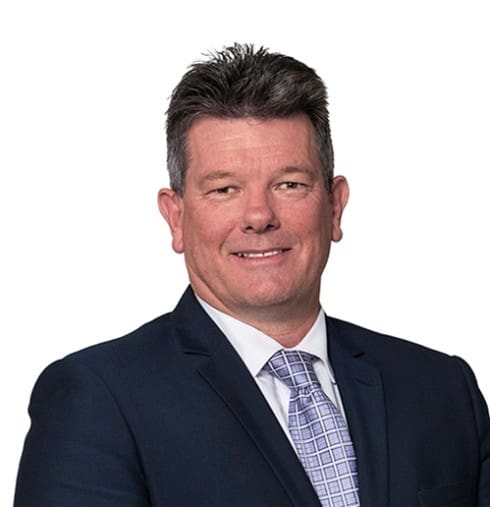
The ATS is pleased to introduce Phil Cornish, the inaugural Chair of the new South Australia Chapter. Here he talks about his background, career and goals for the new chapter.
What is your current role?
I’m Engineering Director for my own construction management and advisory business, Bell Rock Engineering, providing Executive Project Leadership support and services to clients across Australia and internationally. Whilst my experience and project leadership background includes the design and construction of road and rail tunnels in Australia, I am also involved with renewable energy projects, power generation and transmission, and, more recently, shipyard infrastructure.
In this role, I provide executive level services to government agencies in South Australia but also government agencies and business enterprises nationally with their project planning, procurement and delivery phases.
I also retain strong relationships within the general construction industry across Australia and support various clients who have been appointed as delivery partners / appointed contractors in risk management or project oversight tasks.
What are you working on at the moment?
I continue to support Infrastructure SA in South Australia with implementation of gateway reviews on government projects. Along with other major road and rail projects here in South Australia, more recently my involvement included a review team member on the $15.4bn T2D road tunnel project, being delivered by the Department of Infrastructure and Transport, with their partners Bouygues, John Holland, Arcadis and Jacobs.
Other current commitments relate to other areas of my business with renewable energy generation and transmission, as well as port and marine infrastructure works.
What did you study and where?
I completed my Bachelor of Engineering (Civil Engineering) in 1989 at the University of South Australia (formerly Institute of Technology SA).
What got you into tunnelling in the first place?
In 1996, I commenced work on the Adelaide to Crafers Project which included the design and construction of the Heysen Tunnels. My project management role was within the McMahon Walter Joint Venture team appointed to deliver this major SA project at that time. This project had a combination of significant earthwork activities within the challenging surface topography through the Adelaide Hills, but also the design and construction of the twin tube tunnels under Eagle on the Hill. They were intrinsically linked as a major earthmoving operation in the early stages of construction. Initially involved with the surface works, I moved onto a senior leadership role as construction manager with the tunnel fitout and commissioning works in early 1999. The project was successfully completed and opened to traffic in March 2000.
I subsequently moved to Sydney in early 2000 and commenced works on the planning phases of the Chatswood to Parramatta rail project, engaged through the client side delivery authority, PRL.
What has been the most interesting project of your career and why?
I commenced with the Westconnex M4 East Project in late 2014 and was involved through the client side procurement process and final planning phases of this work to gain approval to proceed. I continued as Construction Manager for Sydney Motorway Project M4 Team and adjacent M4 Widening Project in mid-2015, providing oversight and support to the delivery partners (CPB, John Holland and Samsung) engaged to design and construct these twin tube road tunnels.
This tunnelling project had a number of varying challenges that made it a very interesting project to be involved with. These included the government expectation on delivery time, local community needs and requirements, the pressure on the availability of resources to construct the works noting other competing projects in Sydney at the time, and the assessment of varying ground conditions and the driver to deliver a ‘drip free’ tunnel.
The outcomes achieved between SMC and delivery partners for this M4 East tunnel project made for a very rewarding experience for my time on this project delivery, as well as the professional relationships formed in this period.
Why did you get involved with the ATS initially?
Primarily to retain a link to the tunnelling industry and my desire to continue to be involved and continue my personal development.
Congratulations on being selected as Chair of the new ATS South Australia Chapter, what are your objectives in this new role?
Tunnelling is not currently a high-profile industry in South Australia, so with the current progression of the significant T2D project, funded in part by the Australian Government, it was an ideal time to offer some help to the ATS to expand its presence and visibility to current and potential SA members.
I also have an interest in promoting engineering and tunnelling as a career for school leavers or university students. My new role as Chair of the committee will enable me to provide additional support and guidance, including expanding on opportunities for them in the industry.
I’m also keen to provide opportunities for local SA businesses to also gain promotion of their capabilities through ATS membership.